

The Death tarot card is often feared, yet it brings one of the clearest messages of change and renewal. In readings it signals that a major phase is ending so a new one can begin. This card asks you to release what no longer serves you and make room for fresh growth.
Think of it as a wake-up call, not a literal end. The imagery invites decisive action in work, money matters, and relationships. When the symbol appears reversed, it often points to resistance and stalled progress, urging you to confront fear and create momentum.
This guide shows how to read the symbols, spot timing and phases, and turn endings into power. You’ll learn a repeatable process: notice imagery, weigh nearby influences, and translate insight into practical steps. Start with openness, and you’ll find endings can free you to live with more purpose.
Key Takeaways
- Transformation over finality: the card signals change and renewal.
- Use imagery and surrounding cards to set clear action steps.
- Upright points to endings that free new opportunity; reversed shows resistance.
- Apply interpretations to love, career, and finances in the present tense.
- Frame readings around what to release, what to protect, and next steps.
- For deeper practice, explore related insights like the Eight of Pentacles.
Symbolism of the Death Card: White Horse, Black Flag, and the Armor of Change
Look closely: each element on this scene points to transformation that touches every life.
The skeleton rider shows what remains when layers fall away—your core self after shedding the superficial. Its armor signals that some shifts are unavoidable; resistance only drags out the process. The white horse stands for purity and steady motion, guiding the transition with calm resolve.
The black flag, marked by a white emblem, combines absorption and rebirth. It reads as cleansing transformation rather than an end in itself. Beneath the horse, a king and a pauper lie side by side, a stark reminder that endings cross status and role.

Iconography and Context
- Skeleton rider: what remains when you strip away the old; it reveals essential truth.
- Armor: shows inevitability—change has its own momentum and power.
- White horse & black flag: purity and cleansing combine to point toward rebirth.
- Major Arcana placement: this card follows a pause and clears space for new patterns and the next cycle.
- Across a tarot deck: most modern decks keep these cues, though styles vary—look for the same signs of inevitable, purifying transition.
Upright Death: Transformation, Endings, and Moving Forward
When this image appears upright, it signals a clear shift: a major phase is closing so a fresh path can open. Treat this as an invitation to let go of what no longer fits and prepare to step into the next chapter.
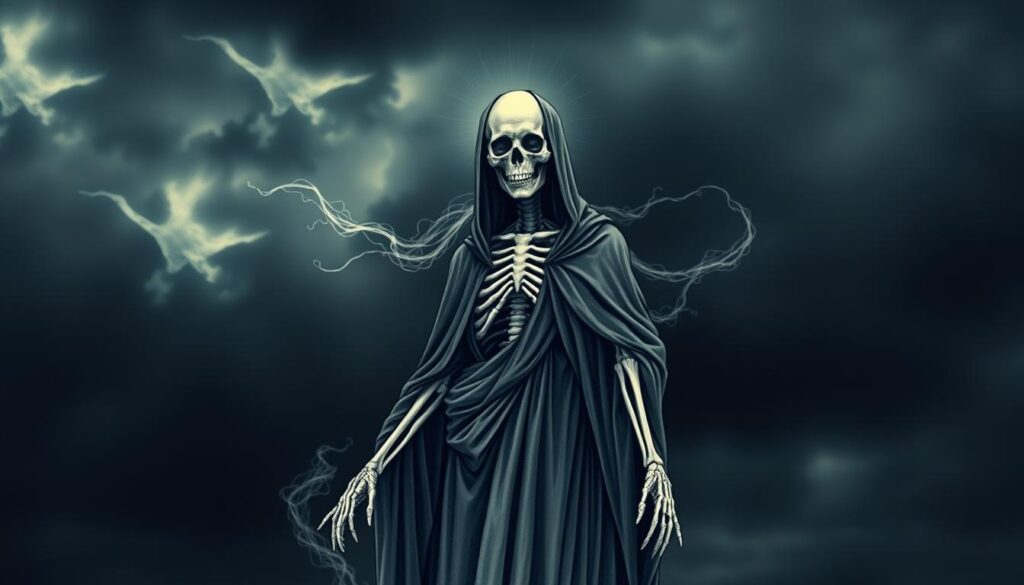
Core upright meaning: closing one door so a new one opens
The upright death card points to decisive endings that clear space for renewal. Close completed chapters with intention so you can move forward without dragging the past behind you.
Love and relationships
In love, this position asks you to assess growth. Either work to transform the relationship or release it so both people can evolve.
If single, shed old habits that block authentic connection. Small shifts create room for healthier dynamics.
Career and vocation
At work, read this as a call to act. Seek new opportunities, refresh your résumé, and plan a transition date. Momentum favors those who choose change.
Finances and values
Financial shifts can feel like loss, but they often spark wiser habits. Use the change to reframe values and align spending with purpose.
Feelings and actions
Emotionally, identify attachments that keep you stuck. Pick one concrete behavior to end this week and anchor transformation with consistent small steps.
- Small wins: declutter, set boundaries, plan the first task.
- Name the new one: write the opportunity and set a timeline.
- Stay practical: use tools like the Seven of Pentacles for planning and steady growth.
Reversed Death: Resistance to Change and Repeating Patterns
When the image flips, it often points to stalled progress and a loop you keep replaying.
Core reversed meaning: This position highlights stagnancy, fear of change, and a sense of limbo. You may sense what must end, yet feel stuck. That resistance change keeps you in a repeating cycle instead of moving forward.

Love and relationships
In relationships, the reversed view can show dependence or staying for comfort. Old bonds may revive, but only if both people address the recurring patterns that caused the stall.
Career and finances
At work, this sign points to clinging to unhealthy paths and a lack of growth. List the normalized problems and pick one decisive action to interrupt the loop.
Financially, it warns against failing to adapt. Adjust expenses, automate savings, and stop repeating bad habits that drain security.
Feelings and actions
Emotionally, name the fear under your resistance—identity loss, uncertainty, or judgment. Design a small exposure step and use accountability to move from thought to motion.
| Area | Reversed signal | First step |
|---|---|---|
| Relationships | Comfort-based staying / revivals | Ask one honest question; set a check-in |
| Career | Stagnation / repeating mistakes | Apply or request a boundary by a set date |
| Finances | Failure to adapt | Create a simple budget and automate a savings bucket |
Remember: resisting endings drains energy. Let past patterns be a teacher, not a trap. If you want an exercise for processing tough relationship patterns, see this short guide on the three-of-swords.
How to Read the Death Card in a Tarot Spread Today
Observe the scene and adjacent cards first; they tell whether a shift will be gentle or abrupt. A clear, stepwise approach makes the reading practical and usable right away.
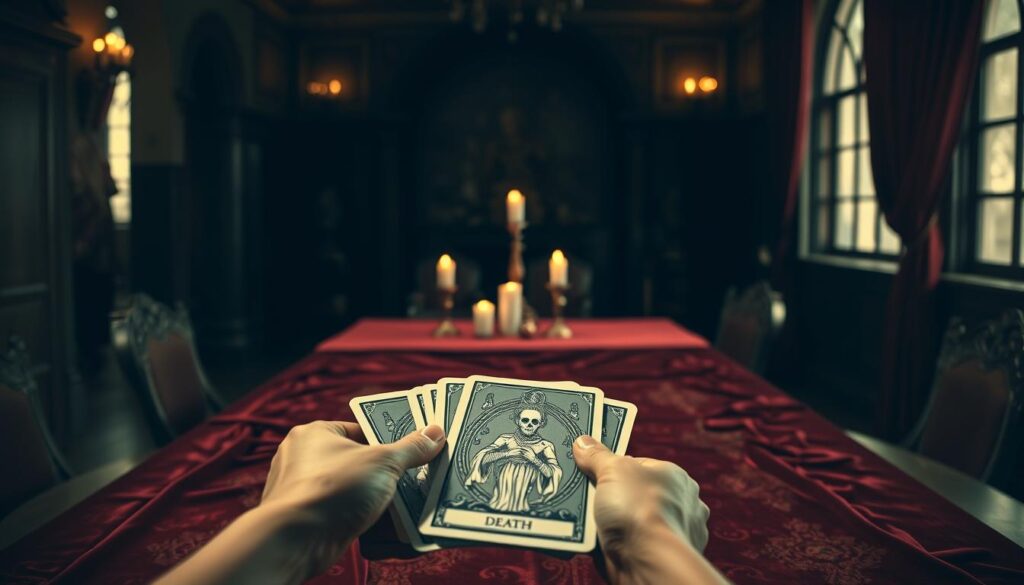
Step one: start with imagery and context
Note the skeleton in armor, the white horse, and the black flag. Then read nearby cards to set the tone and timing.
Step two: name what must end
List habits, beliefs, or attachments that feel outdated. Pick the one ending that would free the most energy now.
Step three: map the new phase
Describe in one sentence what life looks like after the transition. Use that vision to test choices and move forward.
Step four: translate by life area
- Love: transform the bond or allow separation for growth.
- Career: name the next role or skill and act.
- Finances: expect loss that pushes wiser budgeting and saving.
Step five: turn insight into action
Choose one first move—schedule a meeting, cancel a subscription, or block learning time. Track emerging opportunities and plan a check-in date to measure progress.
Death Tarot Card Meaning in Real-Life Contexts
Real-life shifts often arrive as an arc: a pause, a decisive end, and then steady rebuilding.
Timing and phases: Read the movement as a clear phase arc. Suspension or a waiting period often precedes a major phase that must close. After that, integration follows and visible renewal appears in the near future.

Timing and phases: recognizing the arc of transition and renewal
Watch where you feel both friction and relief—those spots often mark the first life areas to turn over.
Create a short release list of attachments like projects, roles, or routines. Let one go each week to build momentum and protect your time for the next step.
From resistance to renewal: practical ways to embrace change
For career moves, shift from reflection to action: update applications, request informational meetings, and set a transition window to capture new opportunities.
For finances, accept any loss, then adopt a clean plan: zero-based budgeting, an emergency target, and cutting recurring subscriptions that drain resources.
- Small milestones: block weekly time for the new direction so progress compounds.
- Emotional pacing: expect waves and use them to fine-tune—not to stop—your transformation.
- Plan the future: define what you want more of, less of, and what must end now to make space for renewal.
Common Mistakes and Myths About the Death Tarot
Many readers misread this powerful image as a threat instead of a prompt to clear space for what truly matters. That misunderstanding shapes how people react to endings.
The literal death myth: why the card is often a positive omen
Myth: It predicts literal demise.
Reality: The death tarot card signals a necessary close and the start of something more aligned. In work and money, it nudges pruning and practical change. In love, it can call for a renewal or an honest ending that frees both people.
Missing the message: confusing loss with failure instead of transformation
People often equate any ending with defeat. That belief fuels resistance and repeated patterns. Name one outdated habit from your past and take one visible step this week.
| Mistake or Myth | Why it matters | Simple fix |
|---|---|---|
| Predicts literal end | Creates fear and paralysis | Reframe as closing that opens space |
| Loss = failure | Leads to shame and hiding | List benefits you gain by letting go |
| Stay the course = strength | Prolongs stagnation and drains power | Choose a clear exit or boundary date |
Takeaway: Treat the image as an agent of change. Act with clarity, and let small endings compound into renewed life. For a related exercise on conflict and next steps, see the Five of Swords guide.
Conclusion
, A clear finish often points directly to the first practical move forward.
Use endings as an engine for transformation. When this tarot image appears, name what must stop, set one dated step, and protect time for the next phase.
Apply the insight across love, career, and finances so you turn insight into steady action. Trust that this death moment reframes endings as purposeful transitions that free energy for a better future.
For a short exercise on handling sharp endings, see the Ten of Swords guide. Leave each reading with clarity: what ends, what begins, and one small first move toward new experiences.
FAQ
What does the Death tarot card represent in general readings?
The card signals a major phase of transition rather than literal end of life. It points to closure of old patterns and the space that opens for renewal and fresh experiences.
What do the white horse and black flag symbolize on the card?
The white horse stands for purity and forward movement; the black flag represents the clearing away of what no longer serves, allowing a new path to appear.
Why is a skeleton rider shown wearing armor?
The armored figure shows inevitability and protection: endings are part of the cycle, and courage helps us move through change without being destroyed by it.
If this card appears upright, what should I expect in love or relationships?
Upright it often means releasing stagnant dynamics or making space for healthier connections. It can indicate a breakup that leads to growth or a renewal within an existing partnership.
How does an upright reading apply to career and vocation?
In work contexts it signals opportunities to pivot—changing roles, leaving a job, or adopting a new professional direction that better fits your evolving priorities.
What does a reversed appearance suggest about personal patterns?
Reversed it points to resistance: repeating habits, fear of necessary shifts, or staying in limbo instead of taking steps toward renewal.
Can the card indicate timing for a transition?
It rarely gives exact dates. Instead, it highlights the presence of an active cycle and urges you to watch for signs that a phase is concluding and preparations for the next one are needed.
How should I interpret the card when nearby cards show positive outcomes?
Positive neighbors suggest the ending will lead to constructive change—new opportunities, restored values, or emotional renewal—so plan proactively for the next chapter.
What common mistakes do readers make with this card?
Many treat it as a literal omen of death or see all endings as failure. The wiser view reads it as transformation and invites release rather than fear.
How can I use this card for practical guidance right now?
Identify one habit, belief, or attachment that blocks growth. Make a small plan to release it—set a boundary, update your resume, or seek support—and take one concrete step this week.
Does symbolism change between different decks?
Yes. Some decks emphasize light and rebirth, others focus on ritual or societal change. Compare imagery—the horse, flag, and figures—to see each artist’s angle on transition.
When should I be cautious about interpreting the card as a full reset?
If you’re clinging to safety or avoiding practical steps, treat the card as a prompt to prepare rather than as instant transformation. Small, steady actions help real change stick.
How does this card relate to finances and values?
It can signal shifting priorities—cutting expenses, redefining what matters, or recovering after a financial loss by reworking habits and goals.
What does equality in the imagery—king and pauper—teach readers?
It reminds us that endings touch everyone, regardless of status, and that change levels social distinctions by focusing on the universal process of renewal.
Can the card predict relationship revivals when reversed?
Reversed can indicate temporary revivals born of comfort or dependence rather than healthy change. Look for genuine growth rather than a return to old, limiting patterns.