
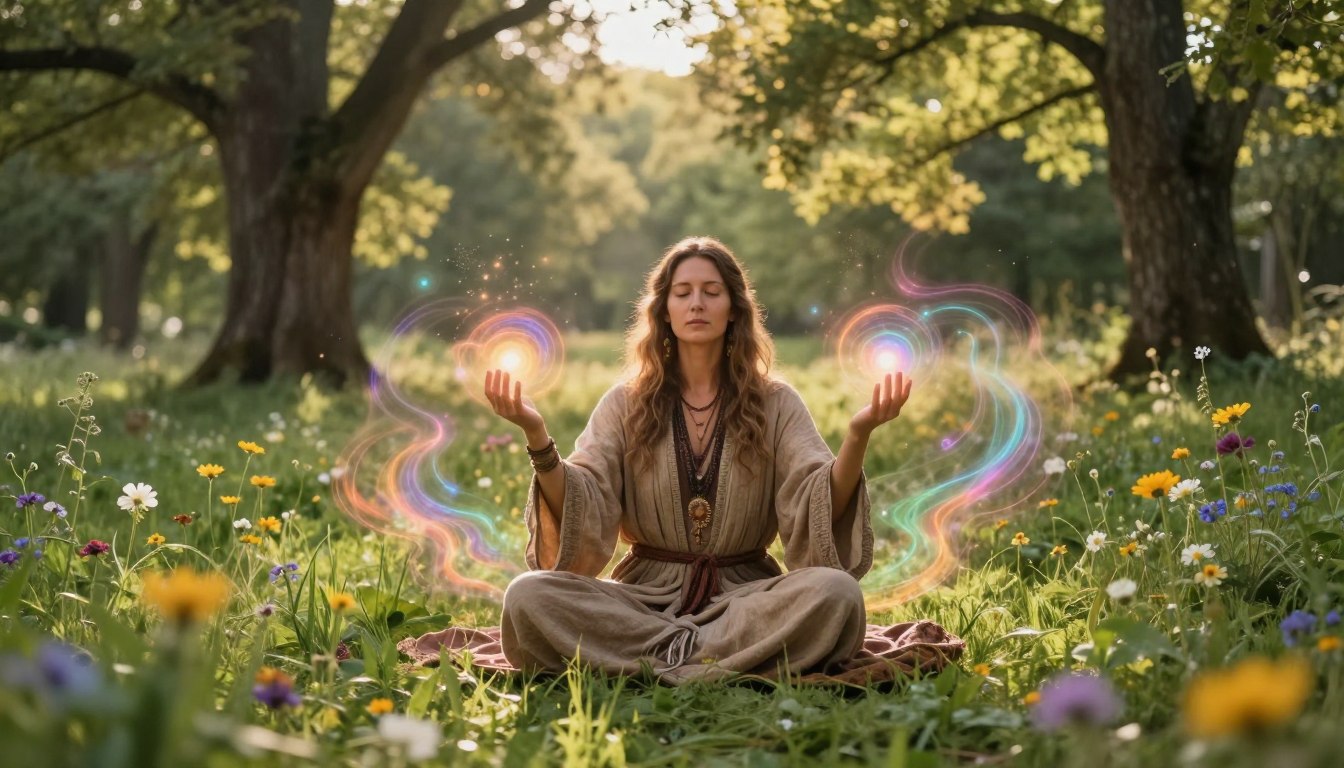
This guide explains, in simple terms, the tradition many call shamanic healing and how it differs from general energy work. It presents a clear, beginner-friendly view so readers feel oriented from the start. The focus here is on personal well-being, resilience, and inner clarity rather than medical advice.
Rooted in ancient cultures, this practice blends spiritual, emotional, and mental care with attention to the physical body. Methods may include drumming, chanting, dance, or guided trance. Plant medicines may appear sometimes, but they are not required.
Many traditions treat symptoms as layered, linking mind and body with spirit. People in the United States often use these approaches to complement professional care, not to replace it.
Expect variety: sessions vary by practitioner, setting, and relationship with the spirit world. This article will cover origins, how this approach differs from Reiki-style work, session flow, outcomes, and tips to choose a trusted practitioner.
Key Takeaways
- Basic definition and distinction from general energy approaches.
- Informational guide focused on well-being, not medical cures.
- Ancient roots adapted for modern life and complementary use.
- Mind, body, and spirit seen as interconnected layers.
- Session style and results vary by practitioner and context.
What Is Shamanic Energy Healing?
In many lineages, work with guides and the natural world helps reveal hidden sources of recurring symptoms. This approach blends ancient practice with modern care, so sessions often feel both traditional and adapted for contemporary life.
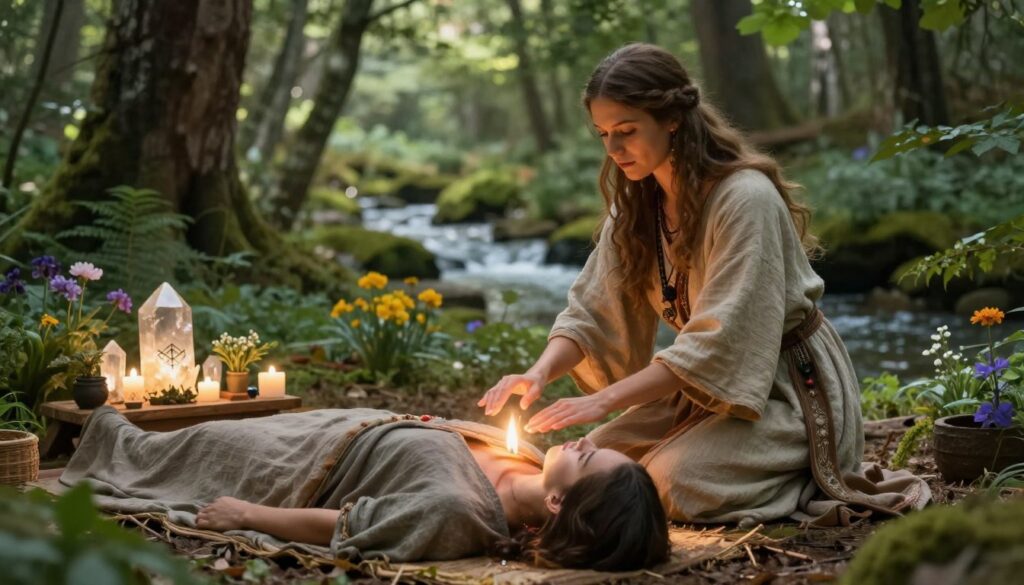
Ancient practice, modern context
Across cultures—from Native American to South American, African, and Australian Aboriginal traditions—practitioners have used ritual, rhythm, and relationship with nature to support wellbeing. Today, many of these methods are presented in ways that fit daily life in the United States.
Working with Spirit and guides
Sessions are typically Spirit-led. Practitioners enter altered states through drumming, breath, or guided meditation to connect with spirit guides and the spirit world for guidance.
Soul-level roots and varied causes
A single symptom can stem from different sources: stress patterns, old stories, unresolved grief, or spiritual disconnection. That means two people with the same complaint may have very different sessions and outcomes.
- Holistic lens: the practitioner considers emotional, mental, and soul layers.
- Personalized work: guidance shapes the path for each individual.
- Nature as ally: elements and the natural world often inform the process.
For a deeper primer on complementary approaches and guidance for beginners, see this guide to energy healing.
How Shamanic Healing Differs From Energy Healing Modalities Like Reiki
Practices that work with spirit guides often aim at the soul and deeper realms, not only the near-body field. That shifts the focus from strictly adjusting subtle currents to addressing layered causes that affect emotion, mind, and the physical body.

Spirit and soul focus vs. energetic body work
Modalities such as Reiki typically concentrate on the energetic body near and around the skin. Sessions often use hands-on or near-body contact to soothe and rebalance that field.
By contrast, shamanic healing often moves across layers. Extraction, for example, removes intrusive presences with the help of guiding spirits. Soul retrieval gathers lost parts to restore resilience.
Why lineage and Spirit-led methods change the way work unfolds
A practitioner’s lineage, training, and relationship with the spirit world shape each session. Two qualified practitioners may run very different rites yet hold the same ethical aims.
- Easy model: imagine overlapping layers—physical, emotional, soul—and how one action can ripple across them.
- Practical takeaway: if prior energy healing gave partial relief, this approach may explore a different level. If you enjoy Reiki, see this as a complementary specialty.
To learn steps for a related path, consider a guide on how to become a psychic healer.
What to Expect in a Shamanic Healing Session (In Person or Remote)
A session typically opens with a short intake. You share why you came and any related memories. The practitioner listens and helps set a clear intention for the work.
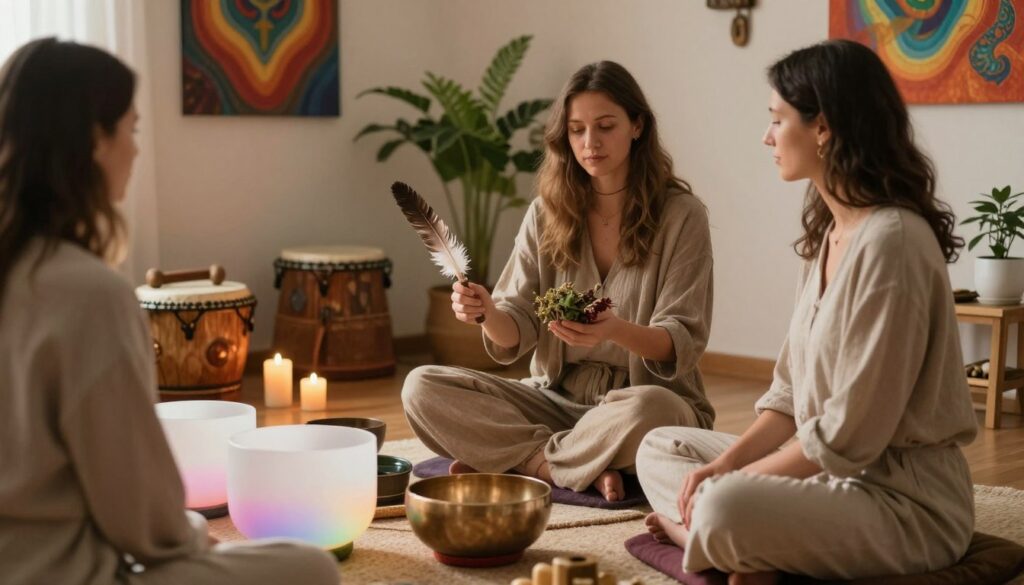
Opening a protected container
Next, the practitioner may create a sacred space. This can include calling directions, asking guides to assist, or inviting power animals. The aim is safety, focus, and clarity.
Assessment and tools
Many practitioners track a luminous field or subtle bodies with quiet questions, inner vision, or chakra checks. Common tools include drum, rattle, prayer, breathwork, stones, or nothing at all.
Methods and ceremonies
Work may include extraction, cord cutting, clearing dense energies, journeying, or soul retrieval. A practitioner may journey for guidance or to restore lost parts over a brief or longer time.
Sensations, closing, and follow-up
Clients report warmth, tears, visions, yawning, or calm; sometimes nothing obvious shifts. The space is closed, the practitioner shares helpful notes, and you receive simple steps for integration. Remote sessions can feel equally deep in your own place.
Send healing energy guidance can support aftercare and integration at home.
Potential Benefits and Outcomes of Healing Shamanic Work
Clients commonly notice small shifts first—better sleep, less reactivity, or a quieted mind. These early signs often grow into clearer focus and steadier mood over weeks.

Emotional and psychological support
Many people seek relief for anxiety, recurring patterns, or a persistent feeling of being stuck. Over time, sessions may ease heavy moods and help release old blockages.
Blockages often show as overthinking, chronic stress responses, or repeated relationship dynamics rather than a single, fixed cause.
Spiritual connection and purpose
Clients frequently describe a stronger sense of life direction and clearer decisions after guided work. That renewed connection can help align daily choices with deeper values.
How results are measured
- Well‑being: better sleep, more energy, and calmer reactions.
- Relationships: fewer repeated conflicts and more honest communication.
- Daily resilience: small, consistent improvements that change how life feels overall.
“Shifts are often subtle and cumulative—small changes in daily habits lead to bigger life adjustments over time.”
Timing varies: some feel immediate relief, while others notice change as shifts settle into the nervous system over days or weeks. For guided training and further study, consider exploring psychic medium classes as a next step.
Choosing a Shamanic Practitioner You Trust
Your rapport with a practitioner often matters more than any single technique used. Trust, clear consent, and practical safety make sacred work effective and sustainable.
Why experiences vary: lineage, the practitioner’s relationship with spirit, and their pacing shape each session. Even when two people bring the same issue, the order of practices and the felt tone can differ—and that’s normal.
How to find someone in the United States
Start with referrals from trusted friends or community groups. Check practitioner websites for training, ethics, and a clear description of the session.
Listen to your gut — with nuance
Sometimes doubt is fear of change. Other times a mismatch signals real risk. If something feels off, it’s OK to look elsewhere.
Quick discernment checklist
- Consent and boundaries: Are they explicit about what a session includes?
- Respect: Do you feel safe, not pressured?
- Intro call: Use it to ask about lineage, practices, and follow-up.
Simple aftercare for integration
Plan rest after a session. Hydrate, eat simple food, and spend time in nature. Journal a few lines about any shifts and follow any gentle “homework” your practitioner offers.
“Allow changes time to settle; email your practitioner if something unusual comes up.”
For a place to start with professional support, consider speaking with a psychic counselor before booking a session.
Conclusion
Finally, consider that meaningful shifts usually arrive slowly and through steady care. This guide showed how shamanic healing works as a spirit‑led practice that can address root patterns behind recurring symptoms and life issues.
Expect a session to include intake, intention setting, a protected space, tools or ceremonies, and simple steps for integration afterward. Results are best judged by overall well‑being, daily resilience, and changes in relationships rather than instant fixes.
Choose a practitioner you trust: use an intro call, follow your discernment, and remember different guides suit different people. If you want a practical next step, research remote or local options or schedule a short consult — for example, consider a mediumship reading to explore connection and guidance for your journey.
FAQ
Understanding What is Shamanic Energy Healing for Beginners
This introduces a path that blends soul work, nature connection, and Spirit-guided practices to support body and mind. Sessions help restore balance in subtle systems and often include journeying, intention setting, and hands-on or distance techniques. The aim is practical: ease symptoms, reconnect with purpose, and strengthen daily resilience.
What Is Shamanic Energy Healing?
It’s an ancient, holistic practice adapted for modern life. Practitioners work with spirit allies, animal guides, and the wider spirit world to locate and shift stuck patterns. Work focuses on the soul, luminous field, and subtle bodies as much as on physical symptoms, using ceremony, intention, and direct guidance from Spirit.
How does working with Spirit, the spirit world, and spirit guides happen?
A trusted practitioner creates sacred space, then communicates with helpers for insight and action. Guides may reveal causes, offer support for soul retrieval, or show which energetic pattern needs clearing. The practitioner interprets and channels guidance while you stay grounded and safe.
Why can the same symptoms come from different sources?
Symptoms like fatigue or anxiety can stem from physical imbalance, energetic attachments, lost soul fragments, or unresolved emotional patterns. Shifts depend on treating root causes in the spirit and subtle realms, not just addressing surface signs.
How does this differ from modalities like Reiki?
While both work with vital forces, this path centers Spirit and soul-led methods. Reiki often targets the energetic body via universal life force. Shamanic practice invites specific allies, lineage wisdom, and journeying to enact soul-level changes and recover missing vitality.
Does practitioner lineage and Spirit-led method matter?
Yes. Lineage informs skill, ethics, and techniques, while Spirit-led approaches shape what emerges in each session. That combination affects how results unfold and why two practitioners may use different tools or ceremonies for similar issues.
What happens during a shamanic healing session, in person or remote?
A session usually begins with intake and clear intention setting. The practitioner opens sacred space, protects the field, and may map the luminous energy field or subtle bodies. Then they work with drum, rattle, breath, prayer, guided vision, or hands-on techniques to clear, retrieve, or realign energy.
How do practitioners open a sacred space and why is it important?
They call in protection from guides and elements, set clear intention, and create a safe energetic boundary. This supports clarity, prevents unwanted interference, and helps the client feel grounded and seen throughout the work.
What tools and methods are commonly used?
Common tools include drum, rattle, prayer, breathwork, smudging herbs, and focused inner vision. Methods may include extraction of dense energies, cord cutting, clearing, guided journeys, and soul retrieval, chosen according to guidance from allies.
What is shamanic journeying and soul retrieval?
Journeying is a guided inner travel to the spirit realms to meet helpers and gain insight. Soul retrieval seeks and returns lost or fragmented parts of a person’s vitality that left after trauma or stress. Both are Spirit-guided, embodied practices aimed at restoring wholeness.
What might I feel in my body, mind, and emotions during a session?
Responses vary: some feel warmth, releases, images, or emotional shifts; others sense calm, clearer thought, or physical relaxation. Temporary intensification of symptoms can occur as stored energy moves; practitioners provide integration support to navigate changes.
How does a session end and how is integration supported?
The practitioner closes sacred space, shares observations, and offers steps for aftercare—rest, hydration, time in nature, journaling, and simple practices to continue integration. Follow-up may include recommendations for grounding and ongoing support.
What benefits and outcomes are possible from this work?
Clients often report eased anxiety, emotional release, clearer purpose, improved relationships, and stronger daily resilience. Outcomes are measured in well-being, sense of meaning, and stabilized energy rather than guaranteed symptom elimination.
How do experiences vary between practitioners?
Variation comes from training, lineage, personal style, and which Spirit allies a practitioner works with. That diversity is normal and can help you find an approach and personality that fit your needs.
How can I find a trustworthy practitioner in the United States?
Seek referrals, read practitioner websites and testimonials, check credentials or training in reputable traditions, and look for clear ethics and client care. Trust your gut during initial contact—comfortable boundaries and clear communication are good signs.
When should I look for someone else or pause a session?
If you feel pressured, dismissed, or unsafe, or if techniques ignore your health limits, pause and seek another practitioner. Good practitioners respect consent, clarify risks, and adapt work to your needs.
What practical aftercare helps integration?
Rest, hydration, gentle time outdoors, simple grounding practices, and journaling help anchor shifts. Practitioners may assign gentle “homework” like breathwork, nature rituals, or mindful movement to support ongoing change.