

Quick primer: Michel de Nostredame wrote Les Prophéties in 1555. He was a French astrologer and noted seer who arranged short four-line quatrains into grouped centuries.
His lines used oblique words and images, so readers and translators often supply dates or events during tense years. That is why headlines claim predictions according Nostradamus while modern readers fill gaps with context.
In late 2025, media reconstructed verses about a cosmic “fireball,” war scenes, plague language, and an aquatic empire. Coverage noted many touted forecasts did not occur and that the texts rarely give explicit years.
Approach: This piece will track which quatrains sparked talk, how interpretation shaped each claim, and why people return to prophecies in uncertain times without sensationalizing fate.
Key Takeaways
- Nostradame wrote cryptic quatrains in Les Prophéties, not clear timelines.
- Centuries and vague words invite varied interpretation by people and media.
- 2025 headlines rebuilt images like a fireball and an aquatic empire.
- Many claimed events did not match the original quatrains or years.
- See a grounded review at this overview.
Why 2025 Became the Flashpoint: Nostradamus, Les Prophéties, and the latest “end of the world” buzz
A compact set of images from Les Prophéties gained traction in 2025 because they matched headlines about conflict, climate, and cosmic risk.
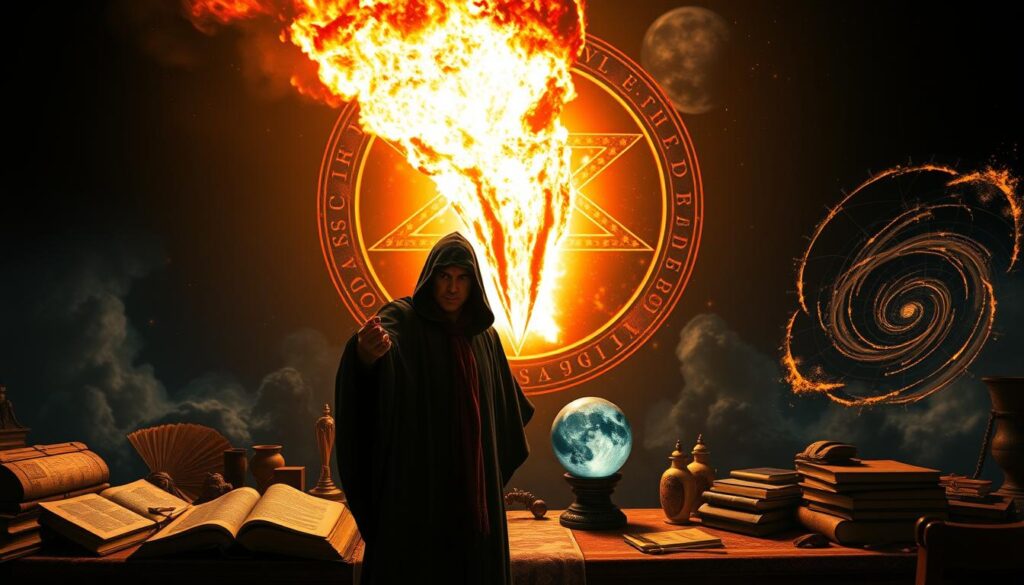
The seer’s playbook
Quatrains are short and unspecific. They do not list months or calendar years, so modern readers often supply dates to make the lines matter now.
Key passages that circulated
“From the cosmos, a fireball will rise, a harbinger of fate… Science and fate in a cosmic dance, The fate of the Earth, a second chance.”
That single harbinger line became a rallying phrase in social posts and headlines, tying a poetic image to asteroid, comet, or nuclear scenarios.
War, plague, and an aquatic ruler
Mars imagery and “three fires” were read as war signals. A reference to an “ancient plague” fed public health fears.
Meanwhile, the aquatic empire motif suggested a leader who might rise from the sea—an image open to climate or mythic readings.
- Summaries and social shares compressed quatrains into punchy predictions 2025 lines.
- Translation choices, selection, and headlines added layers between original words and current events.
For a closer timeline review, see a detailed list of predictions by year.
When did Nostradamus predict the end of the world
A handful of viral posts transformed a symbolic line about a comet into a supposed countdown for late 2025.
Quick answer: the original quatrains do not include calendar years, so there is no time-stamped proclamation in the centuries.
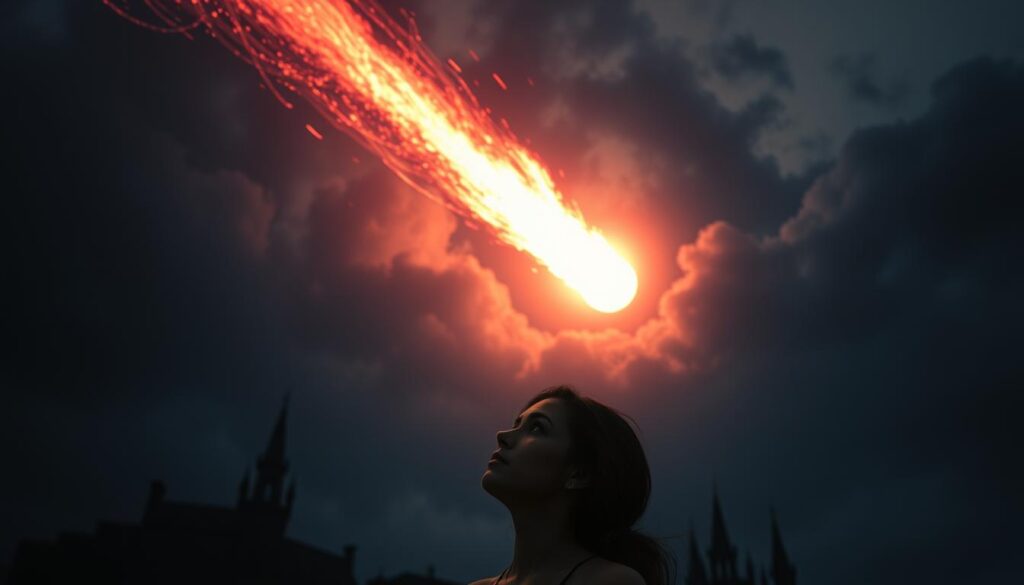
The timing claim: late-2025 interpretations and how the “fireball” quatrain became a deadline
Reports emphasized that writers composed in short quatrains without explicit years. Still, a couple of months of amplified sharing tied a vivid image to a calendar slot.
That media rhythm — a few posts, then headlines, then repeats — can turn a suggestive verse into a firm prediction in public view.
Words vs. dates: why lines didn’t timestamp years and how “according nostradamus” headlines emerged
Les Prophéties relies on metaphor and symbols, so attaching precise years risks stretching meaning.
History shows readers retrofit prophecies to fit modern worry. Late-2025 chatter bundled fate images: a throne struggle, cruel wars in England, and an ancient plague, even as some forecasted items never appeared.
- Answer to the title: no explicit calendar date exists for an end world claim.
- Mechanics: months of rapid sharing can forge a deadline from ambiguous lines.
- Lesson: weigh centuries-old style and context before treating a verse as a fixed countdown.
For a focused look at how that period was covered, see a detailed review of 2025 interpretations at predictions for 2025.
Trend analysis: how 2025 prophecies stacked up against events and historical patterns
Across 2025 coverage, one vivid quatrain was stretched into many headlines about conflict, health, and climate. That single image served as a hinge for several competing stories in news feeds and social posts.
Wars and the throne
Map the war narrative: Some readers tied a line to a long war winding down while unrest flared in England. Headlines mixed palace intrigue and throne language to create a dramatic political angle.
Plague and pestilence
The phrase about an “ancient plague” triggered public health fear even though the quatrain gives no pathogen or date. That reference amplified anxiety more than it offered clarity.
Climate and the Amazon claim
Articles that named the Amazon as the “world’s garden” warned of catastrophe. In practice, the forecasted regional collapse did not occur, highlighting a gap between viral narratives and observed events.
Asteroid, fireball, and science
Coverage flipped between an asteroid risk and an atomic metaphor. Scientists kept monitoring space hazards, while dramatic wording like fireball and second chance fed both alarm and hope.
Aquatic empire motif
Readers cast an aquatic empire as floods, sea rise, or a maritime leader. The image stayed memorable because it can be reinterpreted to match current fears.
- One flexible line powered multiple claims: war, throne, plague, and climate.
- Media cycles often outpaced real events, turning symbolism into firm prediction.
For a curious aside on how visionary techniques were presented in viral posts, see a related clairvoyant method.
Conclusion
, In a year full of dramatic headlines, a few poetic lines became the spark for broad public debate.
Quick takeaway: the centuries lack explicit date stamps, yet the fireball harbinger, England unrest, plague words, and an aquatic empire image fueled many predictions and rumors.
Treat any single prediction with caution. Check evidence about asteroid risks, climate change, or shifting wars before accepting a firm claim. A couple of vivid lines can expand into sweeping narratives by chance and translation.
For a calm, detailed review of related forecasts, see this detailed predictions review. Balance curiosity with data and let monitoring guide how seriously to take symbolic warnings in the next year.
FAQ
When was the end of days linked to Nostradamus first suggested?
Popular claims tying prophetic warnings to an apocalypse surfaced repeatedly after major crises. Modern headlines often trace such links to reinterpretations of 16th-century quatrains in Michel de Nostredame’s Les Prophéties, not to explicit timestamps in his work.
Why did 2025 become a flashpoint in recent headlines?
A mix of social media posts and viral videos highlighted lines about a “fireball” and a “harbinger of fate.” Writers and influencers paired those lines with current tensions, climate stories, and space-threat chatter, creating a narrative that made 2025 seem urgent.
What role do quatrains and centuries play in these interpretations?
Nostradamus wrote short, cryptic four-line quatrains grouped into centuries. Lack of clear dates forces readers to infer context. That ambiguity makes his verses easy to map onto modern events, which fuels speculative headlines.
Which 2025 passages were most often cited?
Shared excerpts mention celestial flames and a harbinger rising from the sky. Translators and commentators differ widely, so quoted lines usually represent one of several renderings rather than a definitive prophecy tied to a specific year.
Are mentions of war, plague, and three fires grounded in specific quatrains?
There are quatrains that contain martial, pestilential, and fiery imagery. Scholars caution that those motifs were common in 16th-century writing and may reflect general fears rather than precise forecasts of particular conflicts or outbreaks.
What is meant by an “aquatic empire” or a leader from the sea?
Some interpreters read symbolic lines about water and rising rulers as an “aquatic empire” motif. That reading blends literal flood imagery with political metaphor, often linking climate-driven sea changes to leadership shifts.
How do modern science scenarios like asteroids or comets fit these readings?
Celestial imagery in the quatrains gets mapped onto modern hazards such as asteroids, comets, or re‑entered space debris. Scientists rely on observation and modeling, while prophetic readings rely on flexible translation and metaphor.
Did Nostradamus ever give exact years or dates?
No. His prophecies lack precise Gregorian dates. He used vague phrasing and symbolic language, so claims that he named a specific year are based on interpretation rather than explicit statements.
How did the “fireball as a deadline” idea emerge for late 2025?
A few popular commentators tied a translated line about a celestial fire to orbital predictions and current events, then emphasized late‑2025 as a focal point. This process reflects media cycles more than archival evidence.
Can Nostradamus’s lines be matched reliably to modern events?
Matching is inherently subjective. Historians and linguists warn against definitive correlations because translations vary and original context differs greatly from today’s political and scientific landscape.
Did any reputable scholars endorse a 2025 doomsday claim?
No major academic authority supports a specific 2025 apocalypse tied to Nostradamus. Credible historians treat his work as literary and symbolic rather than a scientific timetable.
How should the public weigh these doomsday narratives against scientific monitoring?
Rely on institutions like NASA, NOAA, and public health agencies for threat assessment. Those organizations use data, observation, and peer review. Prophetic readings are cultural curiosities, not substitutes for evidence and expertise.
How do climate and Amazon‑related warnings connect to these prophecies?
Lines about the “world’s garden” and drought have been pressed into service as climate metaphors. While climate risks are real, connecting them to centuries‑old quatrains is interpretive and not a substitute for scientific reporting and policy action.
What is the best way to verify viral prophecy claims?
Check primary sources, consult reputable translations, and read commentary from established historians. Also cross‑reference scientific organizations for any physical threats like asteroids, pandemics, or climate impacts.