
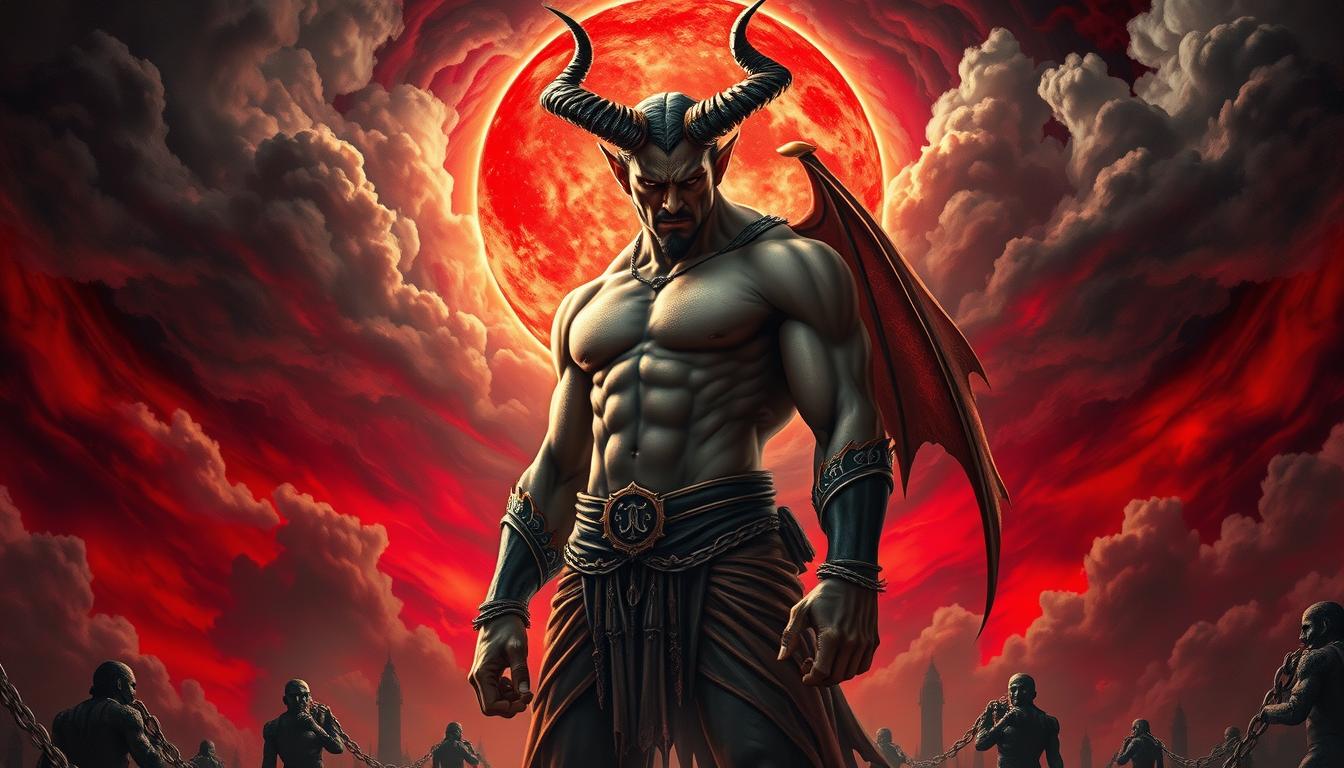
This Ultimate Guide explains the Devil at a glance and then walks you through iconography, upright and reversed interpretations, plus practical steps so you can apply insights in life with confidence.
Positioned as a Major Arcana archetype, this figure asks you to face shadow impulses, compulsions, and the lure of instant pleasure versus lasting well-being.
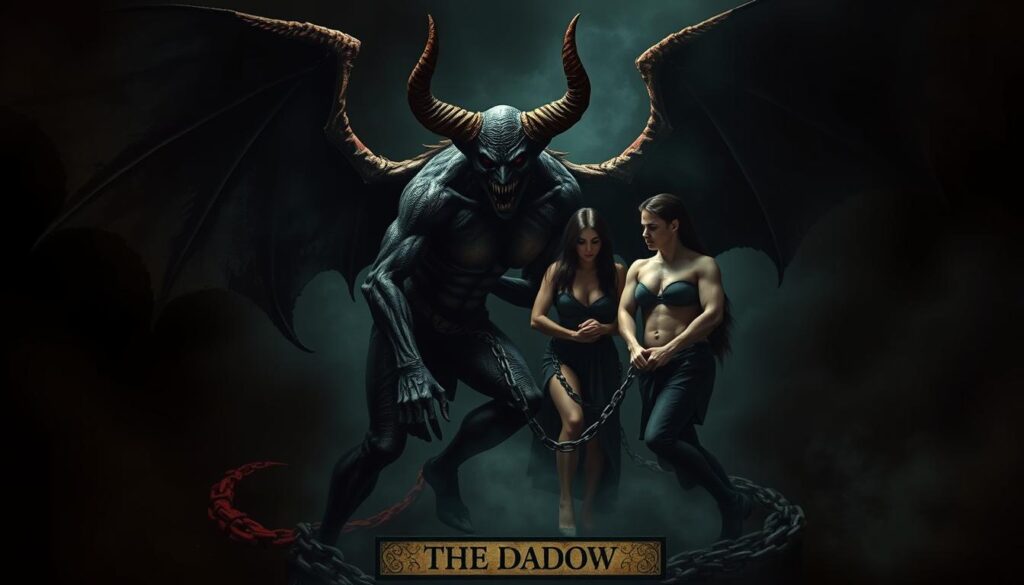
Rider‑Waite‑Smith imagery shows a Baphomet form with bat wings and an inverted pentagram above a chained couple. Their loose collars hint that identity erodes when patterns go unchecked. Tails with flame and grapes point to drive for power and material pleasures.
Seeing this symbol is not bad luck. It is a prompt to spot dependencies, limits, and hooks that drain energy. Context matters: in love, it may point to lust or co‑dependency; at work, to feeling stuck or self‑sabotage.
Expect upright messages about naming chains and taking responsibility, and reversed signals about freedom, release, and reclaimed power. Practical guidance ahead covers self‑checks, boundaries, support, and habit change so this card becomes a catalyst, not a label.
For a deeper exercise on skill building and focus, see a complementary guide on skill and craft.
Key Takeaways
- This guide offers quick clarity and step‑by‑step tools.
- Iconography explains where the card’s power comes from.
- Upright shows limits; reversed shows liberation.
- Context shifts interpretation across life areas.
- Practical steps help turn insight into real change.
Understanding the Devil in Tarot: Context, Intent, and How to Read This Major Arcana
Seen in a spread, this figure asks you to name any invisible agreements that trade autonomy for ease. Frame it as duality: similar to Lovers, yet leaning toward instant reward over lasting value.
Reading intent matters. Ask what unconscious “contract” holds you—habits, beliefs, people—that swap freedom for comfort. Check spread position and nearby cards to locate the issue.
Agency appears when you spot choice points. This Major Arcana often shows up when you feel out of control. A good reading highlights options and restores accountability without blame.
- Watch body cues: anxiety, compulsion, or craving hint at patterns.
- Past placement can show conditioning; present shows a visible hook.
- Future placement warns: strengthen boundaries now.

Practical prompt: journal top three energy leaks and one small action per leak. Ask open questions during any tarot reading: “What do I gain if I continue this way?” and “What small boundary restores my control today?”
“This figure is a mirror for shadows and a map to healthier choices.”
Iconography and Symbols: Baphomet, Inverted Pentagram, and the Chains That Bind
A horned, half-goat figure anchors a scene full of symbolic clues about power, desire, and habit.
Baphomet’s hybrid form and bat wings act as a visual shorthand for primal drive and shadow instincts. Wings, horns, and stance show raw force we often project onto outside forces when inner resources feel low.
Baphomet’s features
Look for a small inverted pentagram on the forehead. That pentagram signals a tilt toward material concerns and earthly wants. Ask where material desires steer choices today.
Chained figures
Two nude people wear loose collars and stand on a pedestal. Loose links show that resignation, not metal, keeps them bound. A simple shift proves collars can open.
- Man’s tail with flame: appetite for power and ambition.
- Woman’s grapes: pleasure, indulgence, luxury.
- Subtle horns on both: slow identity change in unhealthy patterns.
“Recognition and small choices unlock what seems fixed.”
Notice hand gestures, torch, and pedestal height; each detail shifts nuance. For related symbolism on grounded wealth and steady material energy, see a short king of pentacles guide.
Upright Devil Meaning: Shadow, Temptation, and Taking Control
This upright position often points to a repeating loop of craving, compulsion, and small daily choices that keep you stuck.
Define it: Name the pattern. From addiction and people-pleasing to overwork, this image calls out the exact link in the chains that needs attention now.
Love and relationships
Lust and obsession can feel intense and urgent. Consent and boundaries make a healthy difference.
Distinguish casual attraction from co-dependency. Speak needs plainly. Avoid giving mixed signals when you don’t want commitment.
Career and work
At work, feeling trapped often shows up as blame or self-sabotage.
Map choices you still control: list tasks, set meeting limits, propose scope changes, or plan an exit quietly. Small steps reclaim power.
Finances and habits
Compulsive spending and gambling thrive on triggers like stress or boredom.
Install friction: 24-hour holds, cash envelopes, or app blockers to interrupt the loop.
Feelings and actions
Intense attraction can slip into possessiveness and all-or-nothing thinking that hold back true reciprocity.
Act: name the vice, reduce exposure for one week, and track results. Compassionate accountability builds proof you can take control.
“Naming the hook is the first step to loosening it.”
| Area | Upright Signal | Practical Move |
|---|---|---|
| Relationship | Obsession or co-dependency | Set clear boundaries; communicate needs |
| Career | Feeling trapped; blaming | Document tasks; request scope changes |
| Finances | Compulsive spending | Use friction: 24-hour rule, cash-only |
| Emotional | Possessiveness | One-week exposure reduction; journal |
Quick audit: Choose one personal, one relational, and one professional boundary to clarify this week. Then pick a single value to guide one decision on your path forward.
Reversed Devil Meaning: Liberation, Detachment, and Reclaiming Your Freedom
A reversed image often signals a tipping point where old patterns begin to unwind.
This position points to a breakthrough: letting go of addiction, ending co‑dependency, and reclaiming accountability. It can feel like fog lifting and clear options coming into view.

Love and relationships
Endings may honor self-respect. That can mean closing unhealthy attachments, renegotiating roles, or leaving dynamics that stifle true expression.
Career and work
At work, expect empowerment. Update a résumé, ask for new projects, seek mentorship, or repair one strained tie to prove momentum is real.
Finances
Small moves compound. Cancel a subscription, run a needs-only week, or set an automated transfer to build independent footing and break bad habits.
Feelings and actions
Fear fades into calmer connection when you practice clear boundaries. Pair a release list with a cord‑cutting visualization, then schedule a specific next step before momentum cools.
“Detachment is not coldness; it is caring without hinging self‑worth on outcomes.”
Practical checklist
- Write one limiting belief and reframe it into “I’m learning to…”
- Test that reframe with a safe, reversible experiment.
- If heavy material or thoughts surface, contact a therapist or support group.
| Area | Reversed Signal | Concrete Next Step |
|---|---|---|
| Relationships | Ending unhealthy attachments | Set boundary; schedule a tough conversation |
| Career | New accountability and choice | Apply to one role; ask for mentorship |
| Finances | Breaking spending habits | Automate savings; cancel one subscription |
| Emotional | Clarity after fear | Daily grounding practice; journal progress |
Progress can be gradual. Each boundary and small win helps you break free and hold regained control. For focused practice on steady work and skill, see this guide on craft and focus.
The Devil Tarot Card Meaning in Practice: Guidance to Break Patterns and Take Control
Begin with a ten-minute check: name patterns, trace triggers, and pick one immediate boundary to test.
Self-assessment and journaling give quick clarity. Spend ten minutes listing three habits that drain energy, note what sparks each one, and write one rule that would reduce friction right away.
Try prompts such as “Where do I trade long-term peace for short-term relief?” and “Which fears keep me in place?” Use these to find a single actionable step.

From awareness to action
Turn insight into support: hide temptations, set calendar blocks, or recruit an accountability buddy. Admit where you feel powerless as a first move toward organized change.
Small disciplines compound: a 24-hour rule before purchases, a nightly phone cutoff, and two-minute breath resets interrupt compulsion loops and restore power over time.
Sustainable habit change and career moves
For career stress, draft a 30-60-90 plan with clear skills, meetings, and exit criteria so you can see a real path forward.
“Acknowledging powerlessness is not defeat; it’s the doorway to community-supported change.”
Track one metric—money saved, urges reduced, or hours reclaimed—and review weekly. For related work on limiting beliefs and stuck thinking, see a focused exercise on mental constraints and escape.
Comparing The Devil Across Different Tarot Decks: Nuance, Imagery, and Interpretation
Different decks tilt this image toward seduction, satire, or clear-handed liberation with subtle visual edits.
Artists choose which motif to highlight: bat wings and an inverted pentagram might scream fixation, while softened collars or abstract symbols invite introspection.
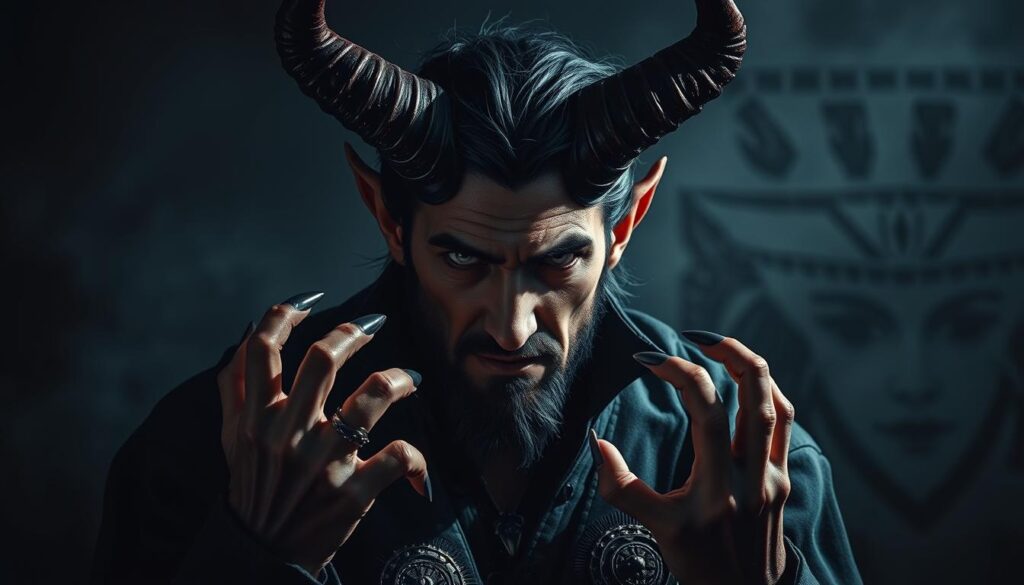
How small artistic choices change a reading
- Rider‑Waite style decks keep classic wings, chains, and a chained couple, steering a reading toward rules and consent questions.
- Tails coded as flame push a reading to ambition and raw drive; grapes nudge toward indulgence and pleasure in life.
- Hands matter: a raised blessing, a torch, or a clenched fist shifts emphasis from external control to inner awakening or outsourced authority.
- Artists who loosen chains or brighten palettes make liberation feel reachable rather than ominous.
- Minimalist publishers may drop explicit figures but keep horns, pentagrams, or shackles so intuition must decode symbols.
Quick practice: pull this card from two different decks side‑by‑side. Note which detail hit you first and journal one action to match that insight. For related focused rest and recovery work, see a guided exercise.
“Art directs attention; attention guides action.”
Conclusion
Hold this image as a map: notice one desire, name one boundary, and practice that small change this week. ,
Insight without action rarely shifts habit. Spot a pattern in love, work, or money. Choose one tiny test and set a time to check results.
Remember symbols—pentagram, chains, horns, wings—as prompts, not doom. If a hand or color grabs you in a reading, trust that detail and use it to guide a next step.
Before you finish, answer three quick prompts: one fear, one material trigger, one relationship dynamic to adjust. Then schedule a follow-up check-in this week.
For grounded practice on resources and steady growth try a related grounded wealth guide. Liberation is a muscle; keep training it with small, kind choices.
FAQ
What does the Devil card symbolize in a reading?
The card points to shadow patterns: temptation, material fixation, and habits that limit growth. It asks you to spot where fear or desire keeps you stuck and consider steps to regain agency.
How should I interpret the inverted pentagram and Baphomet imagery?
Those symbols highlight earthly urges, duality, and inner conflict between higher values and base instincts. They warn about surrendering control to short-term gains instead of long-term well-being.
Does seeing chained figures mean someone is trapped forever?
No. The chains often represent belief systems or behaviors rather than literal imprisonment. The loose collars suggest choice remains; awareness and action can loosen those binds.
What does an upright placement reveal about relationships?
Upright readings often point to obsession, co-dependency, or unhealthy power dynamics. It’s a prompt to assess boundaries, emotional needs, and whether desire eclipses respect.
How does this card show up for career or work questions?
In career contexts it highlights feeling stuck, self-sabotage, or ethical compromises for material gain. It encourages reclaiming integrity and making purposeful choices.
What if the card appears reversed in a spread?
Reversed suggests release and recovery: breaking addictive cycles, detaching from toxic ties, and moving toward autonomy and clearer values.
Can the card mean something positive?
Yes. While it flags shadow areas, it also signals opportunity. Confronting what holds you back can lead to empowerment, healthier habits, and greater freedom.
What practical steps follow a reading with this card?
Start with honest self-assessment and journaling, set firm boundaries, seek support, and create small, sustainable habits that replace harmful patterns.
How do different decks change interpretation?
Artists emphasize various elements—tails, wings, gestures—to shift tone from menacing to psychological or symbolic. Use imagery as a prompt for nuance rather than fixed meaning.
Is this card a sign of moral failure or evil?
Not inherently. The card maps inner shadows and temptations everyone faces. It’s less a moral judgment and more an invitation to understand and transform limiting beliefs and behaviors.